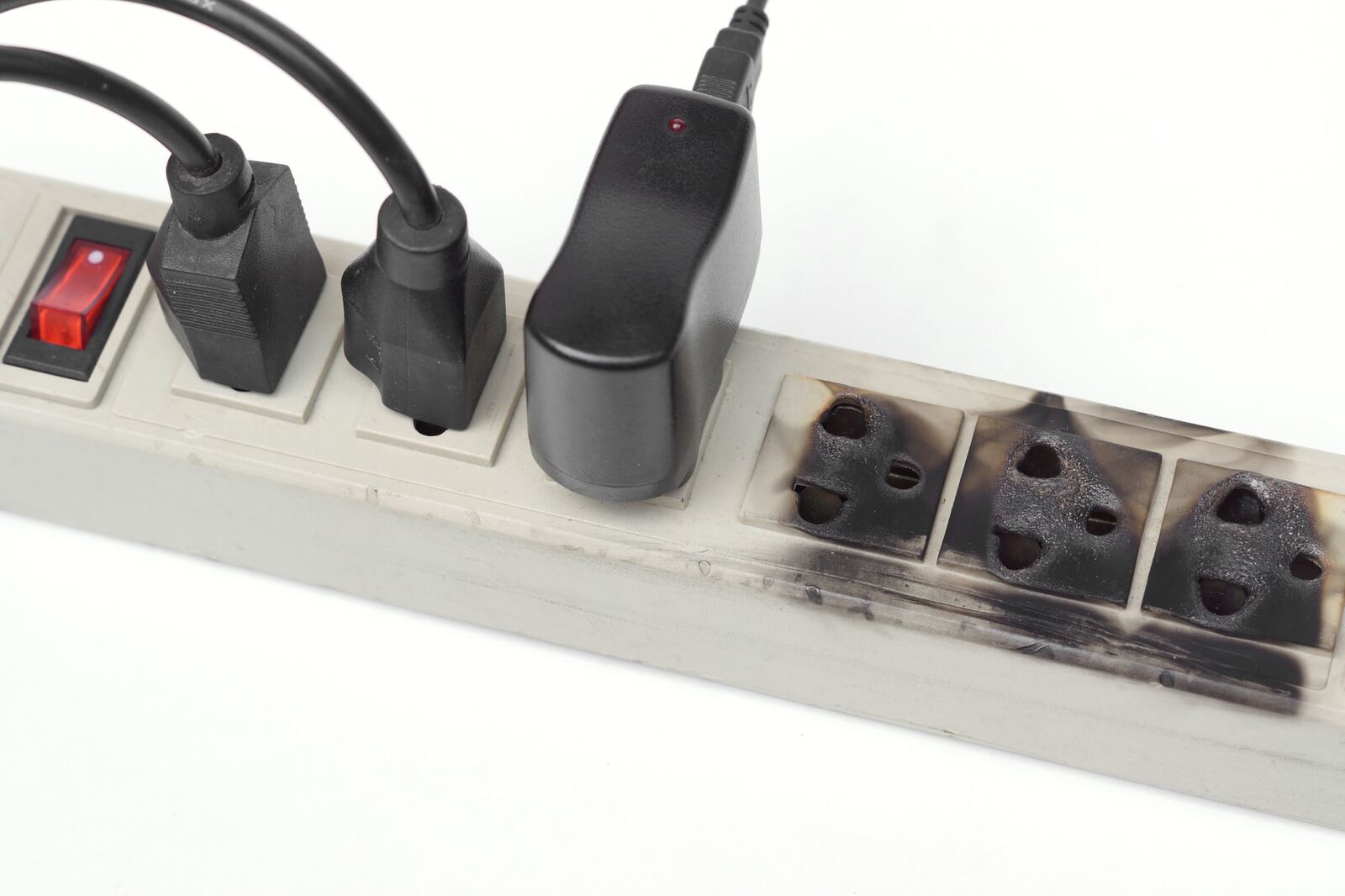
A baby reaches a low socket somewhere between eight and twelve months. The right time to baby-proof the electrical installation is the trimester before that — not the week after.
Layer 1 — shuttered sockets
Modern BS 1363 sockets used widely in Singapore have internal shutters that only open when both line and neutral pins enter together. A child poking a single object into a hole cannot push the shutter aside. If the existing sockets are pre-shutter models, replacement is the strongest single upgrade. This is licensed-installer territory — the accessory change is fine, the inside-the-DB change to add RCD protection is not.
Layer 2 — outlet covers and guards
- Plastic plug-in guards — cheap, removable, used on shutter-less or older accessories
- Sliding self-closing covers — sit over the face plate, slide aside when a real plug goes in
- Outdoor IP-rated boxes — for balcony and garden sockets, lockable when not in use
Layer 3 — RCD / RCBO protection
A residual-current device set at 30 mA disconnects the supply in under 40 ms on an earth-leakage fault — fast enough to be the difference between a startle and a serious injury. On older HDB DBs without RCBO protection, retrofitting is licensed work that has to be carried out by an LEW on the EMA ELISE Licensed Electrical Worker directory.
Cabling and appliances
- Route flexible cords behind furniture or in cable raceways — never across walkways or under rugs
- No daisy-chained multi-way adaptors; one strip per circuit, well below rated load
- Lamps and fans on the floor in nurseries — secured, with non-trip cable runs
- Bath and water-feature equipment — only IP-rated, on RCD protection, isolators outside the wet zone
Cover is fine — protection is the safety net
Socket covers stop curiosity. RCD protection catches the case where the cover gets removed, the appliance fails, or an adult plugs in something with a fault. You want both.