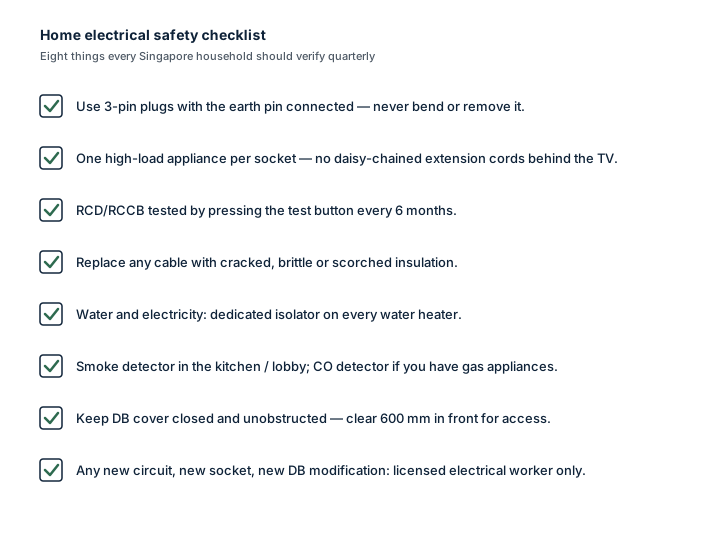
Most home electrical incidents in Singapore are not random — they follow a small number of patterns. Once you know the patterns, the routine checks become obvious.
The four homeowner checks
- Press the TEST button on the main RCD / RCCB monthly — the DB should drop out. If it does not, the protection is not working.
- Look at every visible plug top — discoloured pins, cracked housings, brown marks around socket holes are all "stop using" signals.
- Smell the DB door area periodically — a faint sweet plastic smell is a warning sign of an overloaded conductor inside.
- Watch for warm face plates — a socket or switch face that runs warm under load is a loose terminal until proven otherwise.
Water and electricity — the bathroom and kitchen rules
- Bathroom — only IP-rated accessories near the shower; isolators outside the wet zone
- Kitchen — sockets above counter level, never directly behind the sink or hob
- Outdoor / balcony — weather-rated (IP rated) accessories only, with hinged covers closed when not in use
- Water heater — dedicated circuit, RCD-protected, with the bonding earth in place
When to stop using a circuit immediately
A burning smell, a buzzing sound from a socket or DB, smoke or scorching, an appliance that gave a small shock — all of these are "isolate at the DB now" signals. After isolation, call an electrician to investigate before re-energising.
Reset is not repair
Resetting a tripped MCB or RCD without finding the cause is dangerous. The protection device just told you about a fault. Resetting it without diagnosis hides the warning.
Bigger questions — should we add RCBOs, should the DB itself be upgraded, is the unit still on old wiring — are scoping decisions for a Licensed Electrical Worker. Find one on the EMA ELISE Licensed Electrical Worker directory.