Singapore uses the BS 1363 three-pin 13 A socket as the residential standard. It is one of the more conservatively designed socket families in the world — shuttered, individually fused at the plug top, and clearly polarised.
Why BS 1363 and not the others
- Shutters — open only when L and N pins enter together, so a child cannot poke a single object through
- Fused plug — every plug top carries its own fuse, so the flexible lead is protected even if the upstream MCB is large
- Earth pin first — longer earth pin engages before line and neutral on insertion, breaks last on removal
- Polarised — line and neutral cannot be swapped at the plug
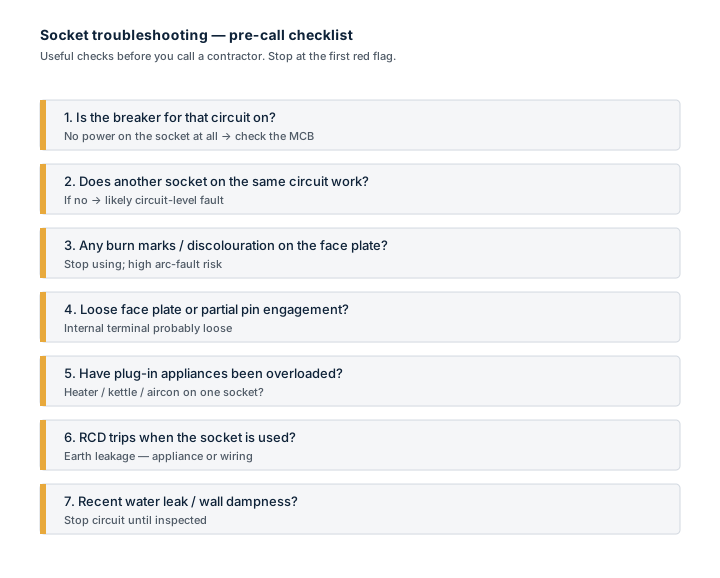
Four faults that explain most "dead socket" calls
- Loose terminal at the back of the socket — the socket works for years, then a heat-cycled terminal opens
- Failed plug top fuse — usually after a brief overload from a faulty appliance
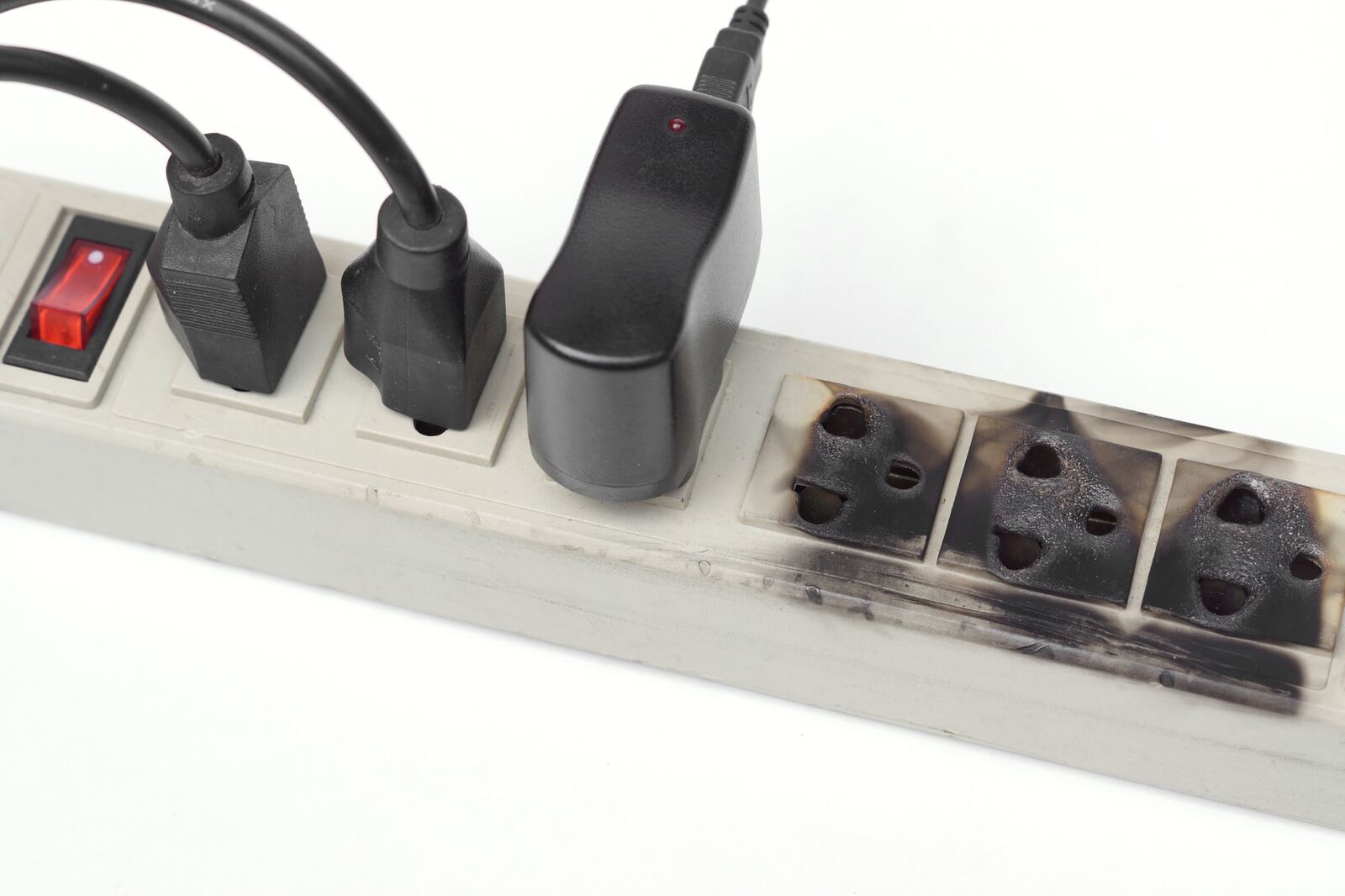
- Burnt contact face — sustained overload (multi-way adaptor, daisy-chained extension) has melted the brass
- Tripped upstream RCBO or MCB — the socket is fine; the protection upstream has opened
Specifying a replacement
- Match rating — 13 A standard; higher for dedicated appliance circuits
- Match poles — single-pole switched vs double-pole switched (DP for wet zones and heavy loads)
- Match face plate — same brand family across the unit for a consistent look
- Switched vs unswitched — switched sockets allow the user to isolate without unplugging
- USB-integrated — convenient at bedside and study desks, but consider the cable rating behind the socket
A "stopped working" socket is rarely the socket
In our diagnosis logbook, about six out of ten "this socket stopped working" calls turn out to be upstream — a tripped RCBO, a failed plug top fuse, or a loose terminal one circuit upstream. Confirm before replacing.