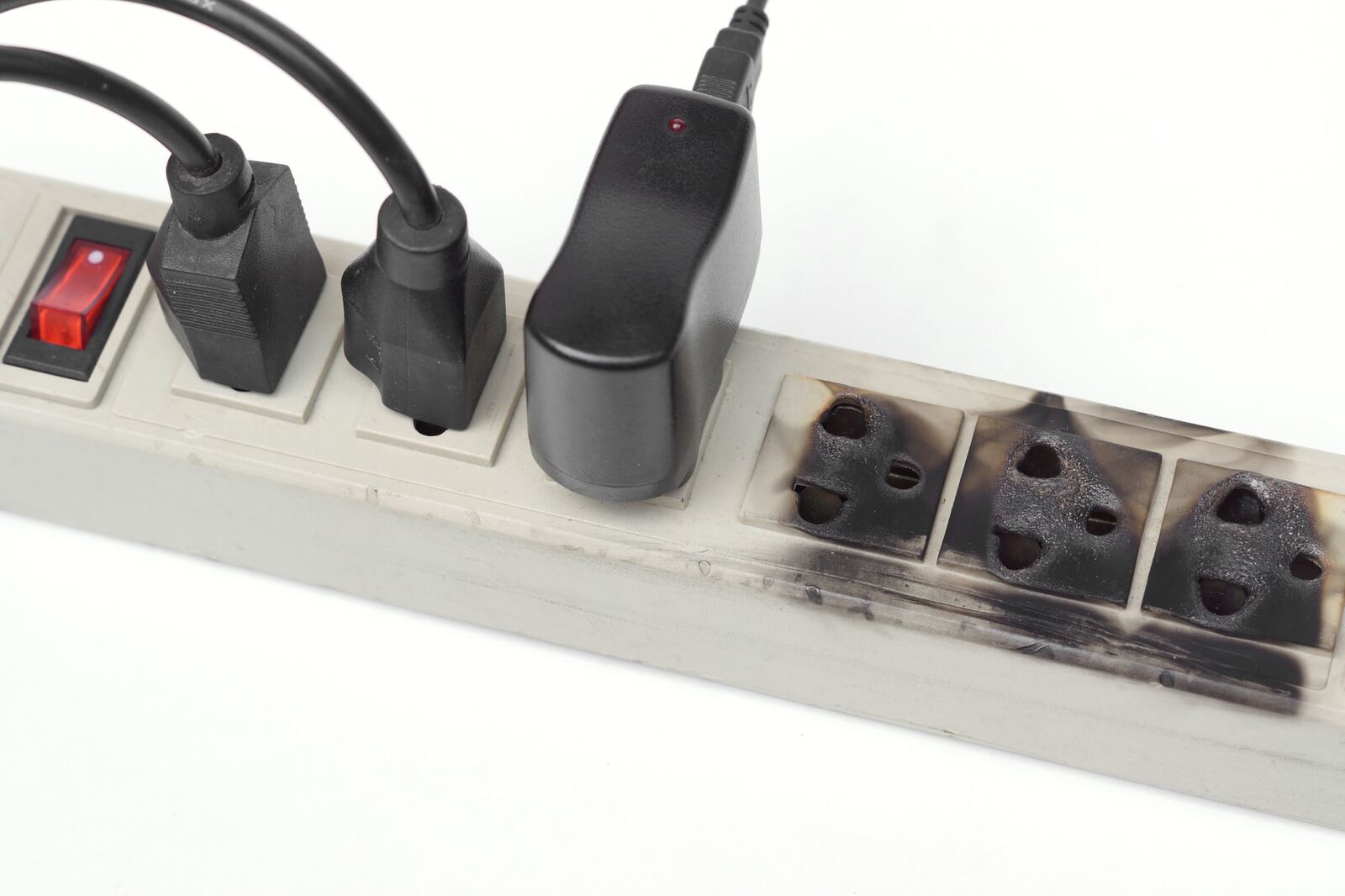
A DIY light fitting swap that powers up looks like a successful job. It is not, in the same way that an unlabelled medicine that tastes okay is not a successful prescription. Electrical work has two outcomes that can both be true at the same time — it works, and it is unsafe.
What DIY work commonly misses
- Earth continuity — the protective conductor connection that lets an RCD trip on fault
- Polarity — live and neutral correctly identified at every termination
- Insulation resistance — proof that no current is leaking to earth or between phases
- Cable size matched to the protective device — undersized cable on an oversized MCB is a fire pathway
- Mechanical termination — terminals torqued correctly so they do not loosen under thermal cycling
These are not optional checks. They are part of the standard testing sequence for any new or altered circuit under SS 638: Code of Practice for Electrical Installations. A contractor with a calibrated insulation tester takes maybe ten minutes per circuit; a homeowner without one cannot do the check at all.
Where DIY work fails later
A loose neutral terminal does not trip on day one. It heats up under load, oxidises, and three months later it is a brown mark on the back of a socket. A missed earth at a metallic accessory does not trip on day one. It becomes a "felt a shock from the tap" complaint two years later when a small heater fault finds the path through the user.
Resale, insurance and authority consequences
Under the Electricity Act, new wiring, rewiring or extensions in Singapore must be done or supervised by an LEW listed on the EMA ELISE Licensed Electrical Worker directory. Unauthorised electrical work can affect home insurance cover, complicate HDB resale inspections, and create liability if a fault later causes damage to a neighbour.
Replace, do not modify
Like-for-like accessory replacement (a face plate, a light fitting, a ceiling fan on an existing isolator) is not licensed work. The moment you change the cable, the protective device, or extend a circuit — that is licensed work. Stop and call.